Rain, Wind, and Why an Outdoor Tunnel Tent Holds Its Shape
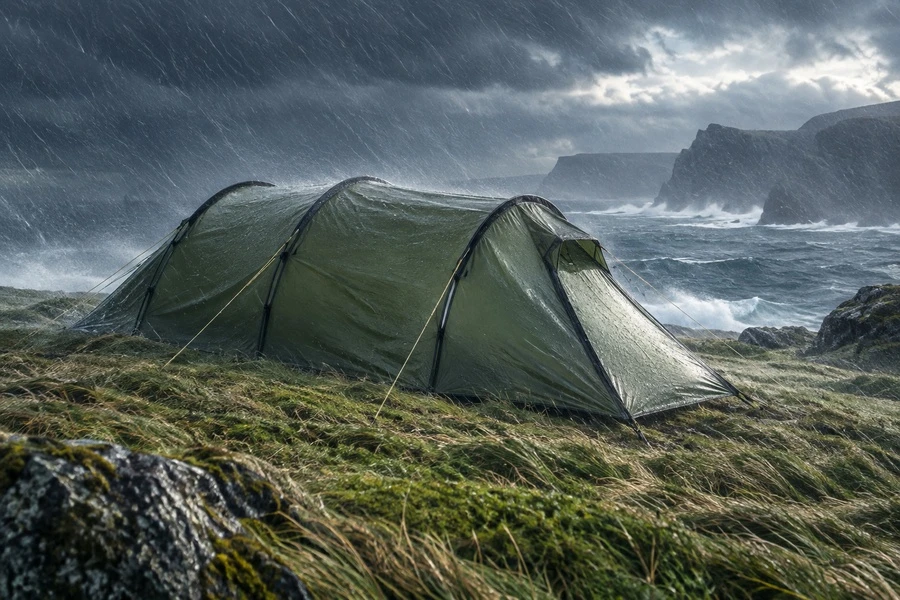
Weather decides the quality of a camping trip more than the destination ever does, and shelter design determines how much of that weather reaches you. An outdoor tunnel tent uses parallel arched poles to create a long rigid structure that sheds wind along its length instead of catching it broadside. Campers who have watched a dome tent flex alarmingly in a gust understand immediately why the geometry matters. Understanding the engineering helps you pitch correctly and sleep better.
How an Outdoor Tunnel Tent Handles Wind
Tunnel designs depend on tension rather than self supporting geometry, which means guy lines and pegs perform real structural work. Pitching with the narrow end facing the prevailing wind allows air to flow over the curved surface rather than pressing against a flat wall. That orientation reduces the load on every pole and keeps the fabric from drumming through the night. Correct alignment often matters more than pole thickness.
Pole material contributes the remaining stability, since fiberglass flexes considerably while aluminum alloy holds its arc under sustained pressure. Tents equipped with wind resistant poles maintain interior volume during weather that collapses lighter alternatives. Space you can still use during a storm is the entire point.
Interior Volume and Why Shape Matters
Dome tents lose usable space rapidly toward the edges because the walls curve inward from every direction at once. Tunnel construction maintains near vertical side walls along most of the length, which produces significantly more headroom in practice than the specifications suggest. Sitting upright away from the center becomes possible rather than theoretical. Volume distribution influences comfort far more than floor area alone.
Layout benefits follow directly from that shape, allowing separate sleeping and living zones within one shelter. A spacious sleeping area at one end leaves the remaining length available for gear, cooking shelter, and wet clothing. Separation keeps the sleeping space dry and organized.
Choosing an Outdoor Tunnel Tent for Your Trips
Trip style should drive the decision, since a shelter suited to a fixed campsite differs from one carried on foot. Car camping rewards generous internal space and heavier fabric, while hiking demands compact packing above all else. Consider how many nights you typically spend in one location, because longer stays justify more setup effort. Honest assessment of your actual habits prevents an expensive mismatch.
Group composition matters equally, given that stated capacity assumes people sleeping shoulder to shoulder with no gear inside. Choosing a rating one person above your usual party produces realistic comfort. A family camping shelter sized generously turns bad weather days into something tolerable rather than miserable. Readers planning trips with children can review our thoughts on family sized shelters and sleeping layouts.
Ventilation and Condensation Control
Moisture inside a tent usually comes from the occupants rather than from rain, since each sleeping adult releases roughly half a liter of water vapor overnight. Without airflow that vapor condenses on the inner surface of the flysheet and drips onto everything below. Adjustable vents at both ends create a gentle current that carries humidity outside before it condenses. Managing this properly transforms morning comfort.
Window placement affects both ventilation and livability during daylight hours. Models with ventilated tent windows allow air movement without opening the main door and losing warmth. Cross ventilation works best when openings sit at opposite ends of the structure.
Pitching an Outdoor Tunnel Tent Correctly
Setup order determines how well the structure performs, and tunnel designs are less forgiving of shortcuts than free standing tents. Staking the corners first establishes the footprint under tension, after which the poles can be threaded and raised without the fabric shifting. Guy lines should be tensioned last and adjusted after the first hour, because fabric relaxes slightly once it settles. Fifteen minutes of careful pitching prevents a difficult night.
Site selection deserves equal attention, since even a perfect pitch cannot compensate for a hollow that collects water. Slightly raised ground with natural windbreaks nearby provides the best combination of drainage and shelter. Practicing setup once at home makes the first real pitch considerably faster.
Getting Multiple Seasons From an Outdoor Tunnel Tent
Longevity depends on drying and storage rather than on brand or price. Packing a shelter away damp allows mildew to form within days, and mildew permanently damages waterproof coatings. Drying the fabric fully before storage remains the single most valuable habit any camper can develop. Ten minutes of airing protects hundreds of dollars of equipment.
Zips and seams need occasional attention too, with a brush for grit and seam sealer for any weakening lines. Treated properly, a well built shelter serves as an all season outdoor shelter across many years of trips. Readers camping in wet regions can continue with our notes on staying dry through persistent rain.