A 140cc Push Mower with Bag Turns Yard Cleanup Into One Pass
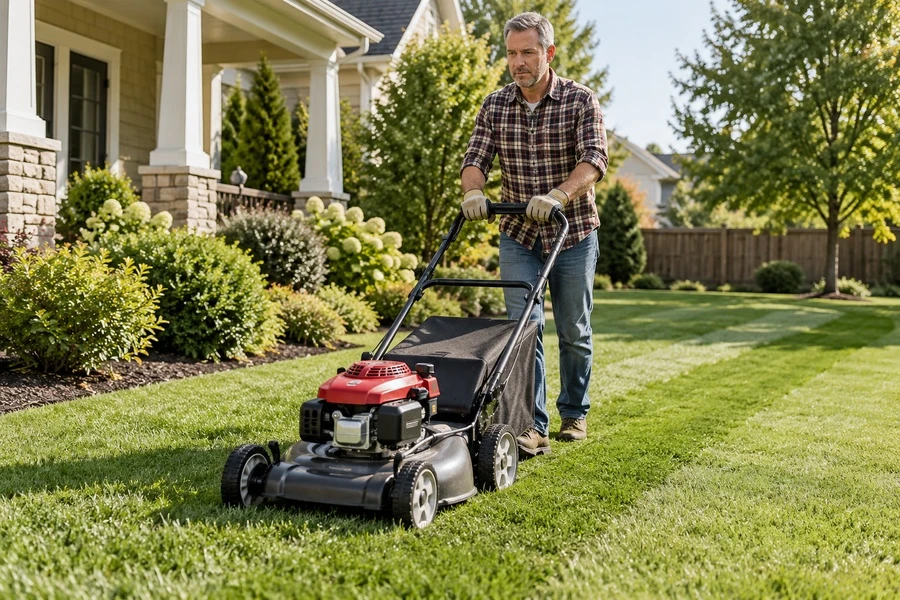
Most yard work becomes tedious because it requires two operations, namely cutting the grass and then collecting what the cutting left behind. A 140cc push mower with bag combines both into a single walk across the lawn, which removes the raking that discourages people from mowing on schedule. Engine displacement matters here because collection demands additional airflow and therefore additional power. Understanding that relationship explains why some machines bag well and others merely pretend to.
Why Engine Size Matters for a 140cc Push Mower with Bag
Bagging requires the blade to generate enough lift to carry clippings through a chute and into a container against gravity and friction. Smaller engines lose blade speed under that load, which causes the chute to clog and the bag to fill unevenly. Around one hundred and forty cubic centimeters provides sufficient reserve for damp grass and moderate volume without excessive weight. The result is consistent collection rather than intermittent success.
Fuel consumption stays reasonable at this displacement, which keeps running costs low across a season. Owners get the benefit of 140cc engine power without the bulk and expense that larger self propelled machines introduce.
Collection Capacity and Emptying Intervals
Bag volume determines how often you interrupt the job, and interruptions account for most of the perceived effort in mowing. A container in the sixty liter range suits properties up to roughly six hundred square meters with two or three emptying stops. Judging fill level through a fabric panel or a fill indicator prevents the overfilling that causes clogging. Planning stops near your compost area saves several minutes each session.
Emptying mechanics matter as much as capacity, since an awkward release turns a simple task into a wrestling match. Rigid frames with a broad opening tip cleanly, and a well designed handle keeps the load balanced. Choosing easy to maneuver mower hardware makes the whole routine faster.
Choosing a 140cc Push Mower with Bag for Suburban Yards
Property shape influences the decision as much as total area, because narrow strips and multiple obstacles favor a compact machine. Push models turn tightly around trees and beds, which reduces the trimming work required afterward. Weight distribution affects how the mower behaves on slopes, and a lower center of gravity keeps handling predictable on gentle inclines. Testing the handle height before purchase prevents back strain during longer sessions.
Storage constraints deserve early consideration, particularly in garages already holding bicycles and tools. Folding handles reduce the footprint considerably during winter months. Buyers comparing cutting modes will find the practical differences explained in our overview of mulching versus collection on home lawns.
Seasonal Rhythm and Cutting Schedules
Grass growth follows a curve rather than a constant rate, which means a fixed weekly schedule wastes effort in some months and creates problems in others. Spring demands frequent attention as growth accelerates, while midsummer heat slows everything and allows longer intervals. Autumn brings leaf fall, and collection becomes the dominant reason to run the machine at all. Adjusting frequency to the season produces better results with less total work.
Treating the equipment as a seasonal lawn care tool rather than a weekly obligation also improves the lawn itself. Grass cut according to its growth stage recovers faster and resists weeds more effectively than grass cut by calendar.
Maintaining a 140cc Push Mower with Bag Correctly
Collection systems fail primarily through neglect rather than defect, and the most common cause is a clogged chute left uncleaned. Removing packed material after each session takes two minutes and prevents the gradual restriction that ruins bagging performance. Bag fabric also needs occasional rinsing, because clogged pores block the airflow that carries clippings into the container. Airflow is the entire mechanism, so protecting it protects the function.
Engine care follows a simple annual pattern of fresh oil, a clean air filter, and a new spark plug when starting becomes hesitant. Storing the machine with stabilized fuel prevents the varnish deposits that cause spring frustration. Readers wanting a broader look at engine reliability can review our notes on combustion mowers for regular use.
What Owners Report After a Season With a 140cc Push Mower with Bag
Feedback from households using a 140cc push mower with bag tends to focus on time saved rather than raw performance figures. Eliminating the raking stage typically removes twenty to thirty minutes from each session, which compounds across roughly twenty five cuts per year. Lawns also look cleaner between cuts because no clipping residue remains to brown in the sun. Small efficiencies matter when a task repeats weekly.
Durability comments usually center on the deck and wheels, which absorb the most punishment over time. Machines built with a solid metal deck and sealed bearings survive several seasons without meaningful decline. Consistent basic care remains the strongest predictor of a long service life.