


Robot Vacuum Cleaner Room Mapping for Smarter Cleaning Routes
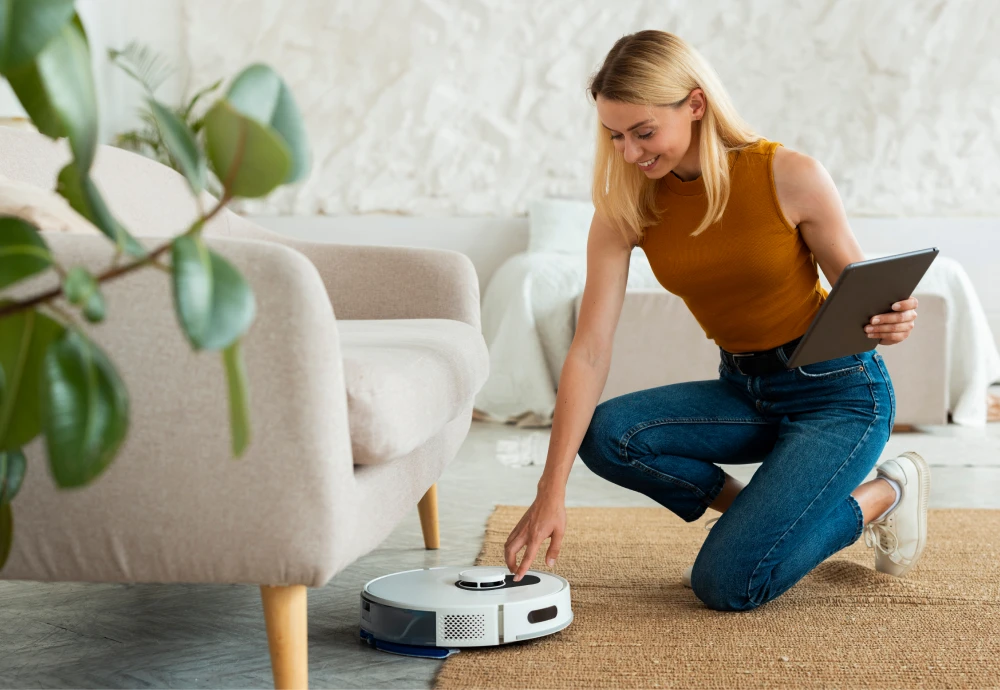
A robot vacuum cleaner room mapping system transforms how you maintain your home’s cleanliness on a daily basis. Traditional vacuums require you to push, pull, and maneuver around furniture while guessing which areas you missed. Modern robotic cleaners use advanced sensors and algorithms to create digital maps of your living space. These maps allow the device to clean systematically rather than bouncing randomly around each room.
Why Room Mapping Matters for Your Home
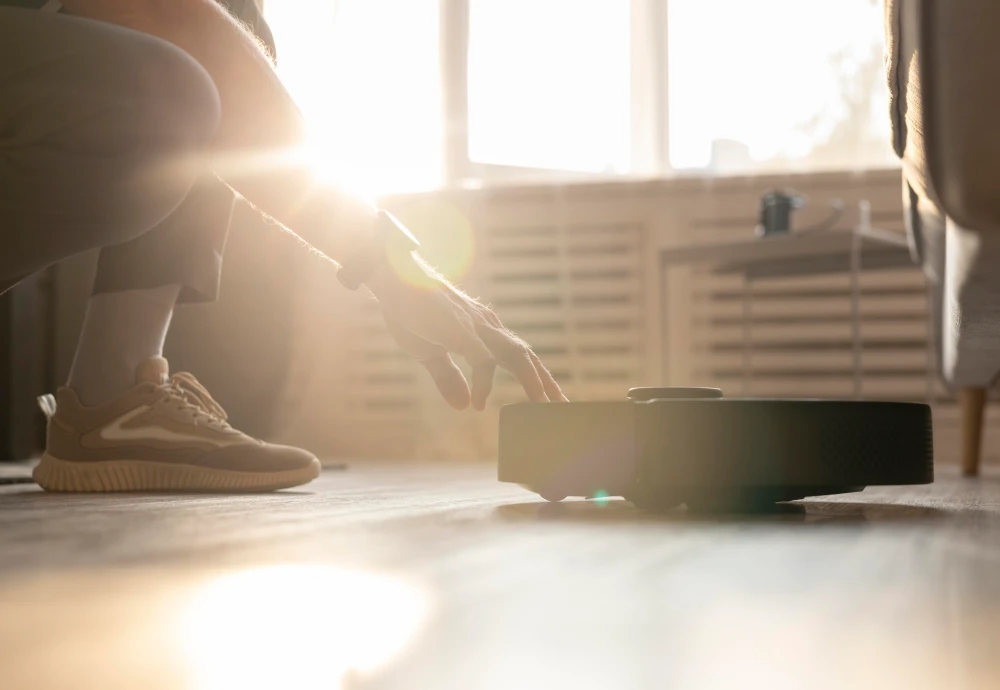
Random navigation robots still exist on the market, but they waste time and battery cleaning the same areas repeatedly. A robot vacuum cleaner room mapping system eliminates this inefficiency completely through intelligent route planning. The robot creates a visual representation of your home using laser or camera-based sensors.
If certain areas need extra attention, you direct the robot to return specifically to those spots. The system also remembers no-go zones where you do not want the robot to travel. This level of control was impossible with earlier generation robotic vacuums. Explore smart robot vacuum cleaner options designed for maximum home coverage and convenience.
How Room Mapping Technology Works in Your Robot Vacuum Cleaner
The technology behind room mapping seems complex, but the user experience remains simple and intuitive. Your robot vacuum cleaner room mapping system uses either LiDAR laser navigation or visual camera-based tracking. LiDAR sensors spin rapidly and measure distances to walls and objects with millimeter precision.
Some models allow you to label individual rooms for voice control through smart home assistants. You simply say, clean the kitchen, and the robot goes directly to that mapped location. This technological sophistication makes modern robotic vacuums far more capable than earlier random-bounce models.
Setting Up Robot Vacuum Cleaner Room Mapping for First Use
The initial setup process determines how well your robot vacuum mapping performs over time. Your first cleaning session with a mapping system should happen while you stay nearby to observe. Remove small obstacles like shoes, cords, and pet toys that could confuse the mapping sensors. Close doors to rooms you do not want included in the initial map creation process.
Some systems require two or three cleaning sessions to create a complete and accurate floor plan. Be patient during this learning period because map quality improves with each subsequent cleaning cycle. Once the map stabilizes, you can set schedules, room labels, and cleaning preferences for fully automated operation.
No-Go Zones and Virtual Boundaries in Room Mapping Systems
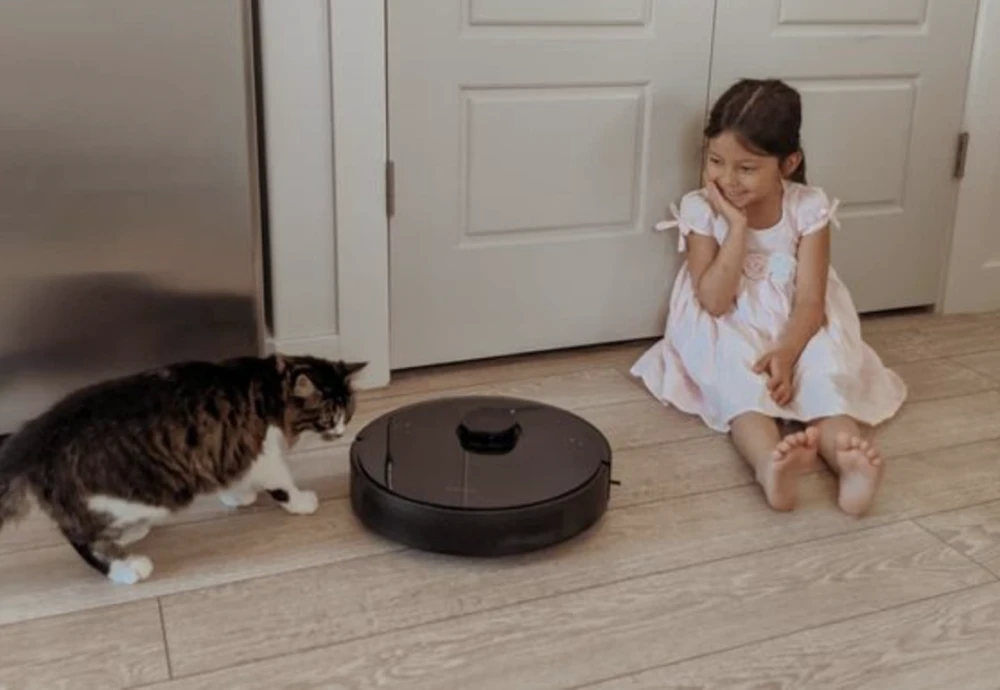
Not every area of your home should be cleaned automatically by a robotic vacuum. Your robot vacuum cleaner room mapping system includes virtual boundary features that protect sensitive areas. You draw lines on the digital map where the robot should never travel during any cleaning cycle. Common no-go zones include pet feeding areas, tangled cord locations, and rooms with fragile items on floors.
Virtual boundaries update instantly when you adjust them in the companion mobile application. This feature eliminates the need for physical magnetic strips or infrared towers used by older models. You protect delicate rugs, pet beds, and children’s play areas without any physical installation required. The mapping system remembers these preferences even after power outages or software updates occur.
Maintaining Mapping Accuracy Over Time
Your home changes over time, and your robot vacuum mapping system should adapt accordingly. A robot vacuum cleaner room mapping system continuously updates its understanding of your floor plan. When you move furniture, the robot detects changes during its next scheduled cleaning session.
Some premium models offer live mapping views that show the robot’s perception of your home in real time. This live view helps you identify sensor issues or navigation problems before they affect cleaning quality.
Keeping sensor windows clean and free from dust maintains mapping accuracy over months of daily use. The system notifies you when it detects significant changes that might require user attention or confirmation. These adaptive capabilities ensure your robot vacuum remains useful even as your living space evolves.
Choosing the Right Robot Vacuum Cleaner Room Mapping System
Not all mapping systems deliver the same level of accuracy and reliability for your home. When you search for a robot vacuum cleaner room mapping device, compare navigation technologies carefully. LiDAR-based systems work well in low light conditions and provide precise distance measurements consistently.
Higher price points generally bring better sensors, faster processors, and more sophisticated mapping algorithms. The cheapest mapping robots often produce inaccurate maps that frustrate users rather than help them. Browse top-rated robot vacuum cleaner models that balance features with reliable performance for real homes.
Start Cleaning Smarter with Room Mapping Technology
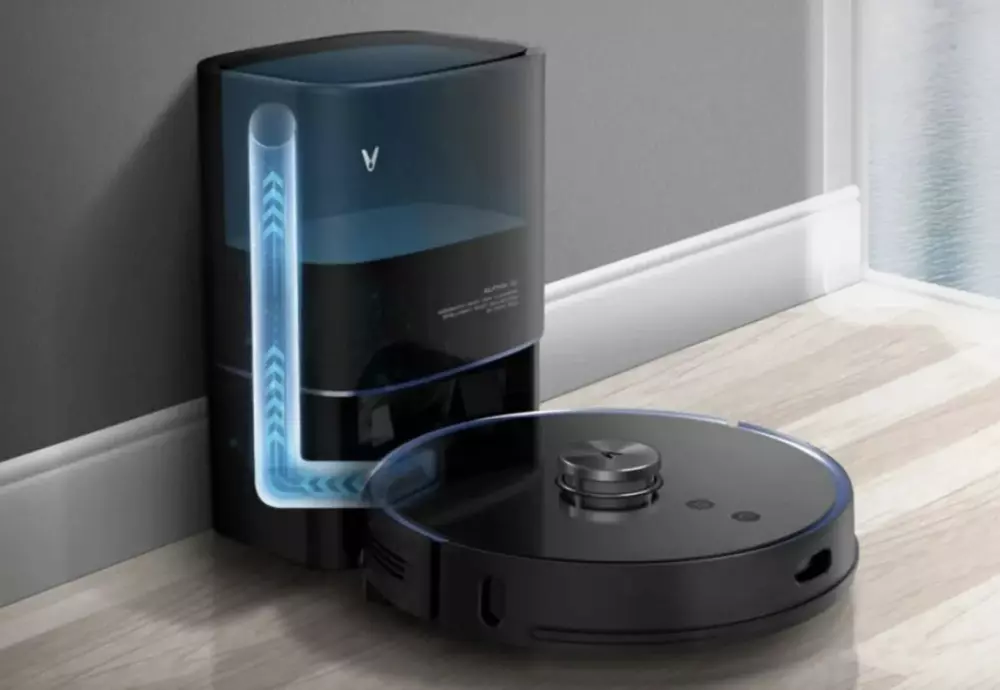
You no longer need to waste time pushing a vacuum around your home each week. A robot vacuum cleaner room mapping system handles daily floor maintenance while you focus on more important activities. The technology has matured significantly, with reliable performance available at reasonable price points.
Make this the year you finally upgrade from traditional vacuuming to intelligent robotic cleaning. Your future self will thank you for every hour saved and every cleaner floor enjoyed. Start exploring robot vacuum cleaner options today and transform your home maintenance routine completely.













Leave a comment