


Mopping Robot Vacuum Cleaner that Keeps Floors Fresh Daily
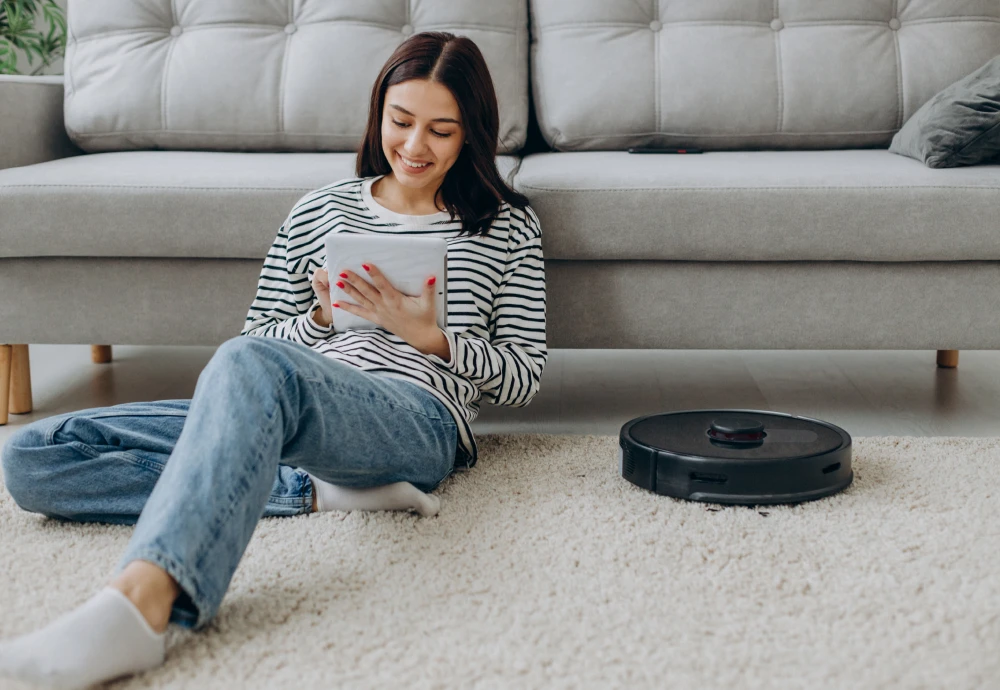
A mopping robot vacuum cleaner represents the ultimate solution for homes with significant hard floor areas that need daily attention. Standard robot vacuums pick up dust and debris but leave behind sticky residues that accumulate and dull floor finishes over time.
Hybrid devices combine dry vacuuming with wet mopping to address both types of floor contamination in a single cleaning pass. The best models vacuum first to remove loose particles that would otherwise turn into mud when wet mopping occurs. This guide explains everything required to select, use, and maintain a mopping robot vacuum for truly clean hard floors.
Why a Mopping Robot Outperforms Vacuum-Only Robots on Hard Floors
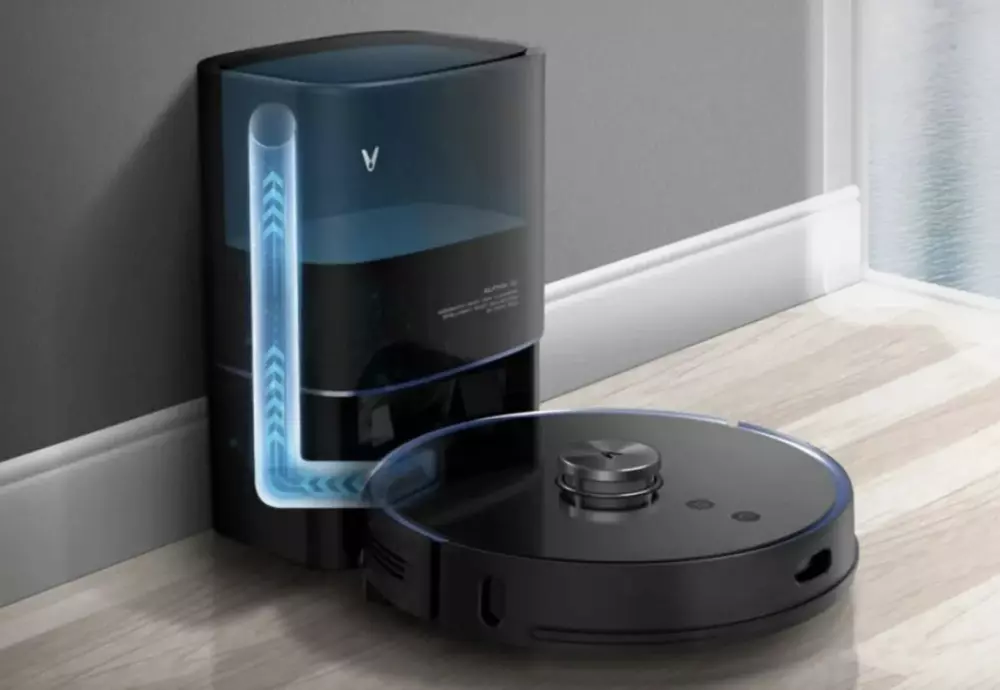
Vacuum-only robots leave behind sticky spills, dried food residue, and tracked-in mud that hardens on floor surfaces. A mopping robot vacuum cleaner addresses both dry debris and sticky residues in every cleaning cycle for complete floor care. The robot vacuums first to remove loose dust, hair, and crumbs that would become mud when wet mopping occurs.
After vacuuming completes, the device applies cleaning solution or plain water to dissolve remaining sticky residues. The mopping pad then scrubs the floor surface to lift and absorb dissolved dirt effectively. This two-step process leaves hard floors looking truly clean rather than just free of visible debris. Vacuum-only robots cannot address sticky residues at all, leaving them to accumulate over multiple cleaning sessions.
Essential Features of an Effective Mopping Robot Vacuum Cleaner
Not all mopping robot vacuums deliver effective wet cleaning alongside their dry vacuuming capabilities. Your mopping robot vacuum cleaner purchase should prioritize mopping system design above basic vacuum specifications. Passive mopping systems simply drag a damp cloth across floors without applying any meaningful scrubbing pressure.
Water tank capacity determines how much area the robot can mop before needing refilling during cleaning cycles. Larger homes benefit from bigger tanks that handle entire floor plans without manual water refills needed. Explore feature-rich cleaner options with active scrubbing for truly clean hard floors today.
Setting Up Your Mopping Cleaner for First Use
Proper setup ensures your hybrid robot performs both vacuuming and mopping functions correctly from the start. Your mopping robot vacuum cleaner requires preparation of both the device and your home before initial operation begins. Fill the water tank with clean water or manufacturer-recommended cleaning solution as directed in the instructions.
Check that the robot lifts the mopping pad when crossing threshold strips between rooms successfully. This setup attention ensures satisfactory hybrid cleaning performance from the very first mopping session performed.
Mopping Robot Vacuum Cleaner Performance on Different Hard Floor Types
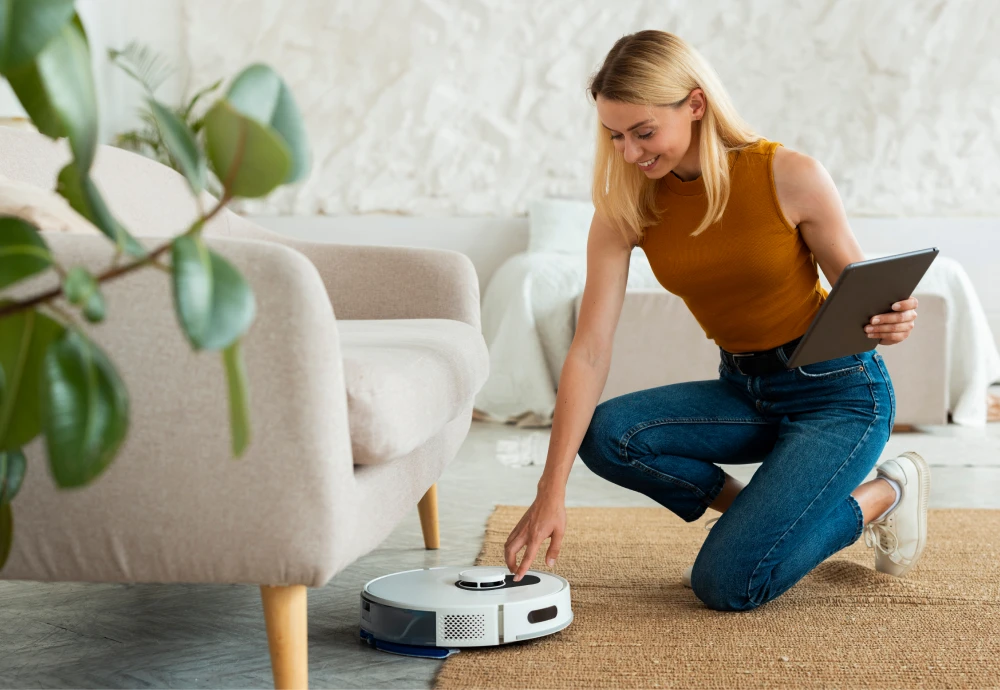
Hard floor types vary significantly in how they respond to robotic mopping systems during regular cleaning. Your smart home cleaner should match its mopping approach to your specific hard flooring materials for best results. Sealed hardwood floors tolerate damp mopping well but can be damaged by excessive water exposure over long periods.
Area rugs placed on top of hard floors require the robot to lift the mopping pad when detected automatically. Rug tassels and fringe edges can tangle in rotating mops, requiring virtual boundaries for protection from damage. Matching mopping settings to your specific floor types ensures effective cleaning without causing any damage over time.
Maintaining Your Mopping Robot Vacuum Cleaner for Long Life
Regular maintenance keeps your hybrid robot performing optimal mopping alongside vacuuming duties for years. Your mopping robot vacuum cleaner needs attention to both dry and wet cleaning components on a regular schedule. Rinse or wash the mopping pad after every mopping session to prevent bacteria growth and unpleasant odor development.
Store the robot with an empty water tank and dry mopping pad when not in use for extended periods of time. Following this maintenance schedule ensures your hybrid robot continues cleaning effectively for years of reliable daily service.
Choosing the Right Mopping Robot Vacuum Cleaner for Your Home
Your home layout, floor types, and cleaning expectations determine which hybrid robot suits your needs best. The mopping robot vacuum cleaner for an all-hardwood home differs from one designed for mixed floor layouts. Homes with mostly hard floors benefit from advanced mopping systems with active scrubbing capabilities significantly over basic designs.
Reading user reviews from owners with similar floor types provides valuable real-world performance insights for decision making. Find the right vacuum cleaner for your specific hard floors and cleaning requirements starting right now without delay.
Start Dual-Action Cleaning Starting Today
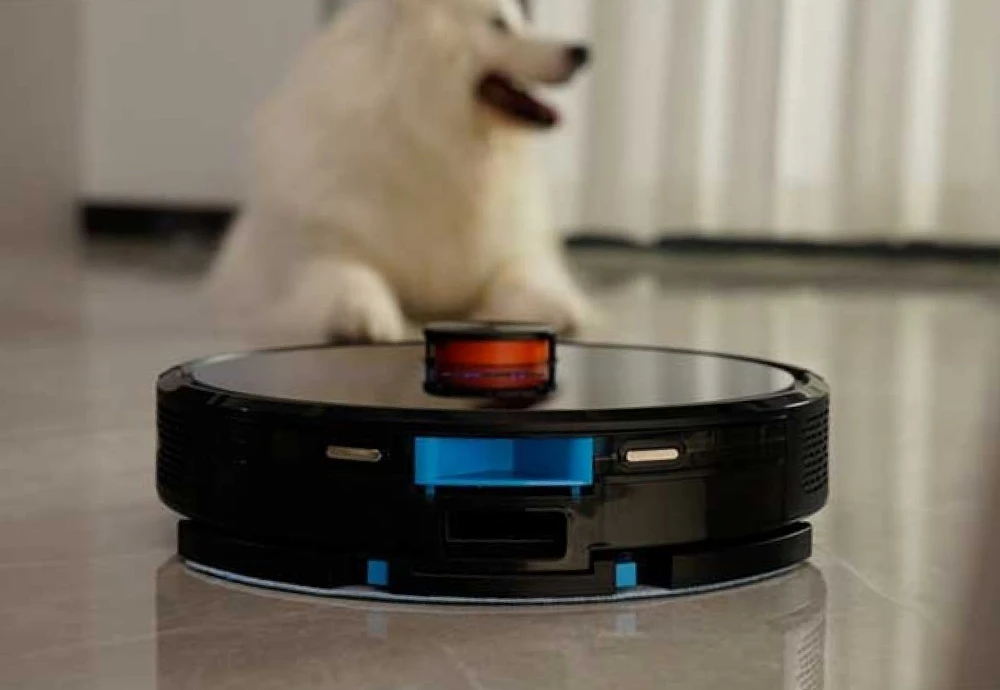
Your hard floors deserve consistent cleaning that removes both dry debris and sticky residues completely every time. A mopping robot vacuum cleaner handles both tasks automatically while you focus on more important life activities. The technology has matured significantly, with reliable hybrid options available at reasonable price points for most budgets.
Your future self will thank you for every hour reclaimed from manual floor cleaning duties forever. Start exploring mopping robot vacuum cleaner options now and transform your hard floor maintenance routine completely without any further delay.













Leave a comment