


Best Vacuum Cleaner Robot with Mop Guide for Effortless Floor Care
A satisfying purchase usually solves a familiar problem without complicating another part of life. That principle helps when comparing best vacuum cleaner robot with mop for a specific routine. Within automated floor care, details such as fit, control, and maintenance shape long-term satisfaction. A thoughtful choice should create less hands-on cleaning across everyday household surfaces in ways that feel natural. Start with the situations that happen most often, not the rare ideal scenario. Those situations may include busy households, scheduled cleaning, and quieter everyday use. Searches for Alexa robot vacuum often signal a desire to improve the experience without overcomplicating it. Likewise, Google Assistant vacuum can help frame the features that deserve practical attention. The Smart Vacuum And Mop Cleaning System gives shoppers a specific product to evaluate against those needs. From there, the decision becomes a question of priorities, preparation, and realistic expectations.
What Makes Best Vacuum Cleaner Robot with Mop Worth Comparing
Buying intent becomes easier to understand when an attractive idea is translated into daily tasks. Start with automated floor care and identify what should feel noticeably better after purchase. In this case, the target outcome is less hands-on cleaning across everyday household surfaces across ordinary use. Picture mixed hard-floor areas because that scenario may reveal limits that are easy to miss online. Now separate essential capabilities from preferences that would simply be pleasant extras. The essential group should guide measurements, compatibility checks, and feature comparisons. Preferences can then help distinguish between options that already satisfy those basics. This sequence keeps the decision rational without removing personality from the choice. It also makes later product research faster because irrelevant specifications lose importance. A focused comparison begins with needs, then uses features to answer them.
Using Best Vacuum Cleaner Robot with Mop Across Common Situations
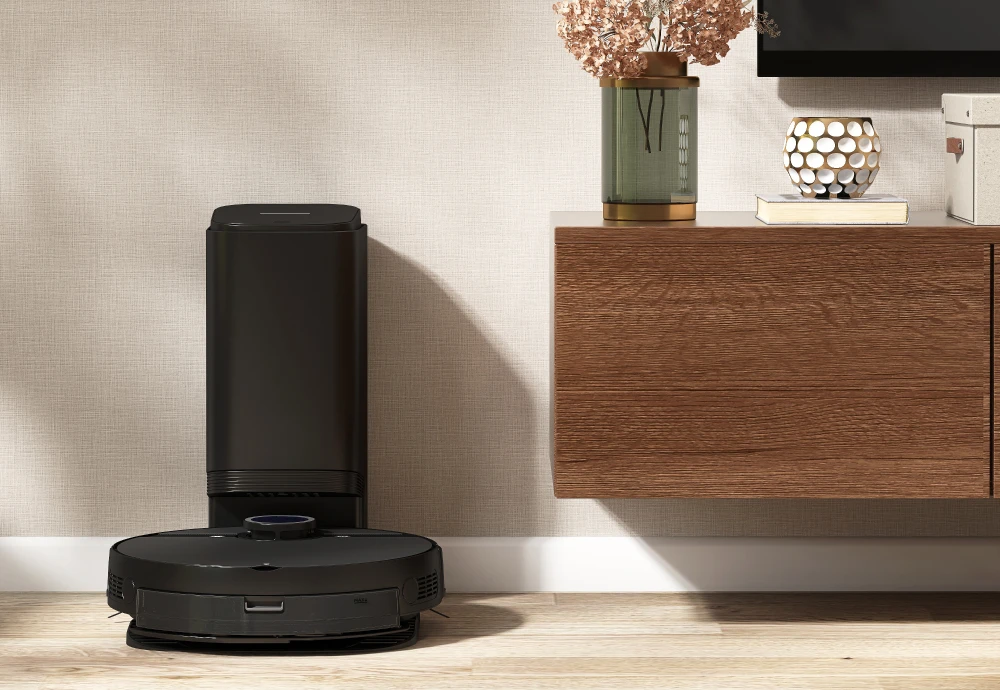
Real value appears through repetition, because repeated tasks amplify both strengths and annoyances. Use during mixed hard-floor areas may emphasize different needs than use during busy households. One listed feature supports that comparison: automatic dust collection reduces the need to empty the robot after every cycle. Shoppers drawn to robot vacuum and mop should decide whether that advantage matches their routine. Another scenario is pet-hair routines, which can reveal limits in capacity, placement, or control. Interest in automatic dust collection becomes more useful when tested against that specific situation. The product page also states that a two-in-one system combines vacuuming and mopping in one cleaning routine. Convenience should remain visible after novelty fades and habits become automatic. A flexible product often earns more use because it fits several familiar situations. Evaluating those situations in advance makes the final choice more grounded.
Details That Shape Everyday Performance
A careful buyer reads specifications as clues about ownership rather than isolated selling points. For example, the product page states that the system supports Google Assistant and Alexa for compatible smart-home control. That information becomes more meaningful when connected with frequency and conditions of use. It also lists that app controls include virtual no-go zones and customizable cleaning plans. People researching virtual no-go zones can use those facts to narrow their priorities. A third practical detail is that listed suction power reaches 2700Pa for routine floor debris. The phrase self-charging robot vacuum may describe a style or capability, but fit still comes first. Look for combinations of features that reduce effort, improve control, or support comfort. Avoid treating technical language as valuable unless it changes the actual experience. The best comparison translates every major feature into a clear everyday consequence.
Preparing for Smooth Ownership
Practical ownership includes the quiet maintenance tasks that rarely appear in promotional images. The listing supplies relevant context by noting that the listed battery supports up to 2.5 hours of cleaning on one charge. Anyone comparing smart mapping vacuum should ask what upkeep that feature may require. Start with the official instructions for setup, cleaning, storage, and routine operation. Keep the surrounding area suitable for the product’s normal movement, airflow, or access. A predictable care schedule makes small tasks easier to remember and complete. Store removable parts and accessories together whenever that arrangement is practical. Inspect contact points, surfaces, and moving components according to the manufacturer’s guidance. These habits support reliable use without turning maintenance into a major project. Good care keeps the ownership experience closer to the convenience promised at purchase.
Choosing a Place and Purpose for Best Vacuum Cleaner Robot with Mop
Planning should happen before excitement turns a promising product into an awkward fit. Begin with the physical and practical limits surrounding automated floor care. Search terms such as LDS SLAM navigation are most helpful after those limits are understood. The product page adds useful context by stating that lDS SLAM navigation supports mapping and obstacle-aware route planning. Consider whether that feature improves scheduled cleaning or simply sounds impressive. The Smart Vacuum And Mop Cleaning System offers a specific reference for checking the answer. Write down essential measurements, access points, storage needs, and operating conditions. Then separate nonnegotiable requirements from preferences that can remain flexible. That short exercise makes comparison faster and lowers the risk of post-purchase frustration. Good preparation creates room for both practical performance and enjoyable ownership.
Bringing Best Vacuum Cleaner Robot with Mop Into Your Routine
Final decisions become clearer when every feature is connected with a specific everyday benefit. Treat 2700Pa suction as a useful search direction, then test it against personal requirements. Remember this product detail during that comparison: automatic dust collection reduces the need to empty the robot after every cycle. Interest in app controlled vacuum should also lead to questions about fit, maintenance, and control. Consider what you will use weekly, what you may use occasionally, and what seems unnecessary. That distinction helps prevent extra features from obscuring the core purpose of the purchase. Check measurements, operating needs, compatibility, and care instructions before committing. Then compare the strongest benefits with the compromises you are genuinely willing to accept. Review the Smart Vacuum And Mop Cleaning System if its specifications support the priorities you identified. A deliberate process creates confidence because the decision rests on evidence and routine.













Leave a comment