Inside the Squeeze and Release of an Air Compression Foot Massager
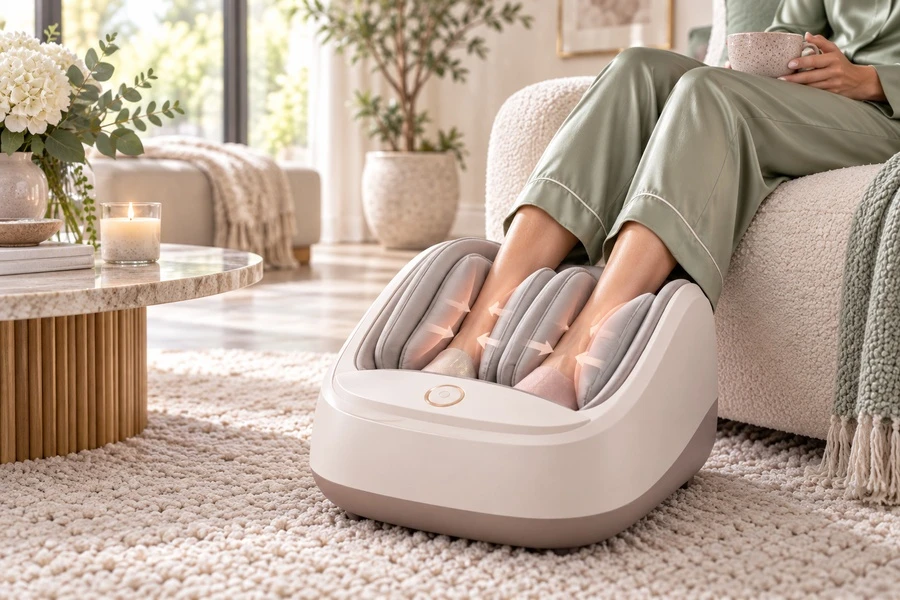
Mechanical rollers press upward against the sole while inflatable chambers work in an entirely different way, wrapping the foot and applying pressure from every direction at once. An air compression foot massager creates that surrounding sensation through timed inflation cycles rather than moving parts against the skin. The difference in feel surprises people who have only used roller based devices before. Understanding the mechanism explains why compression suits some users far better than kneading.
How an Air Compression Foot Massager Applies Pressure
Small pumps inflate a series of chambers positioned around the foot in a programmed sequence rather than simultaneously. That sequence typically moves from the toes toward the ankle, producing a wave of pressure across the whole surface. Release follows inflation before the next chamber begins, which creates the rhythmic squeezing that defines the experience. Coverage rather than concentration distinguishes this approach from rollers. The sensation resembles a firm hand closing gently around the foot rather than a thumb pressing into one point.
Pressure distributes across a broad area, which many people find more comfortable than concentrated pressure on specific points. Systems using targeted airbag massage can also reach the sides and top of the foot that mechanical nodes never touch.
Compression Compared With Mechanical Kneading
Roller mechanisms excel at concentrated pressure on the sole, which suits people who want firm work on specific tight areas. Compression covers more surface with gentler, more even pressure that feels closer to being held than being worked on. Neither approach is superior in general terms, since the right choice depends entirely on personal preference and sensitivity. Trying both if possible resolves the question faster than reading specifications. Retail displays rarely allow proper testing, so reviews describing sensation rather than features prove considerably more useful.
Combined systems offer both mechanisms in a single unit and let you select according to mood or need. Devices pairing compression with shiatsu rolling nodes provide that flexibility without occupying additional space. Variety keeps a device in regular use for longer.
Choosing an Air Compression Foot Massager Wisely
Chamber configuration determines coverage, so check whether the design wraps the ankle and instep or only surrounds the foot itself. Sizing limits matter more with compression than with rollers, because inflation pressure feels excessive when the chamber is already tight around a larger foot. Manufacturers usually state a maximum shoe size that deserves attention before purchase. Comfort depends heavily on that fit. Wearing thin socks during sessions improves comfort for anyone close to the upper size limit.
Intensity control separates a device you use daily from one you abandon after a fortnight. Multiple levels allow gentle sessions when your feet feel sensitive and firmer pressure when they feel tight. Units offering adjustable intensity settings accommodate different users within one household. Readers focused on warmth can review our discussion of heat based foot comfort.
Noise, Convenience, and Everyday Use
Pumps generate sound that varies considerably between models, and a loud unit competes with conversation or television during use. Quieter designs make the device usable during the evening activities most people combine with a session. Checking noise levels in reviews provides better information than manufacturer claims. Sound tolerance affects how often a device gets switched on.
Control access influences convenience more than it might seem, since reaching down to a panel interrupts the relaxation you sat down for. A remote controlled massager allows adjustment without breaking position. Small conveniences determine whether equipment becomes part of a routine.
Getting Consistent Results From an Air Compression Foot Massager
Session length affects the experience considerably, and most manufacturers recommend fifteen to thirty minutes per use. Longer sessions rarely improve the outcome and can leave the skin feeling tender, particularly at higher intensity levels. Starting at a lower setting and increasing gradually allows your tolerance to develop naturally. Consistency across the week matters more than intensity within one session.
Position influences comfort as well, since a seated posture with knees at roughly ninety degrees suits most units. Elevating the feet slightly afterward extends the pleasant sensation for many users. People with circulatory conditions, recent injuries, or reduced sensation should consult a doctor before regular use.
Where an Air Compression Foot Massager Fits at Home
Storage determines usage frequency more directly than any feature, because equipment kept in a cupboard rarely gets retrieved. Compact units that slide beside a chair or under a sofa stay accessible without dominating the room. Weight matters for anyone who needs to move the device between rooms regularly. Accessibility drives habit formation.
Shared households benefit from adjustable settings that suit different feet and preferences without argument. Readers interested in additional foot care functions can continue with our overview of pedicure features in home devices. Equipment used daily justifies its space far more easily than occasional purchases.