Salon Habits at Home With a Foot Massager with Pedicure Function
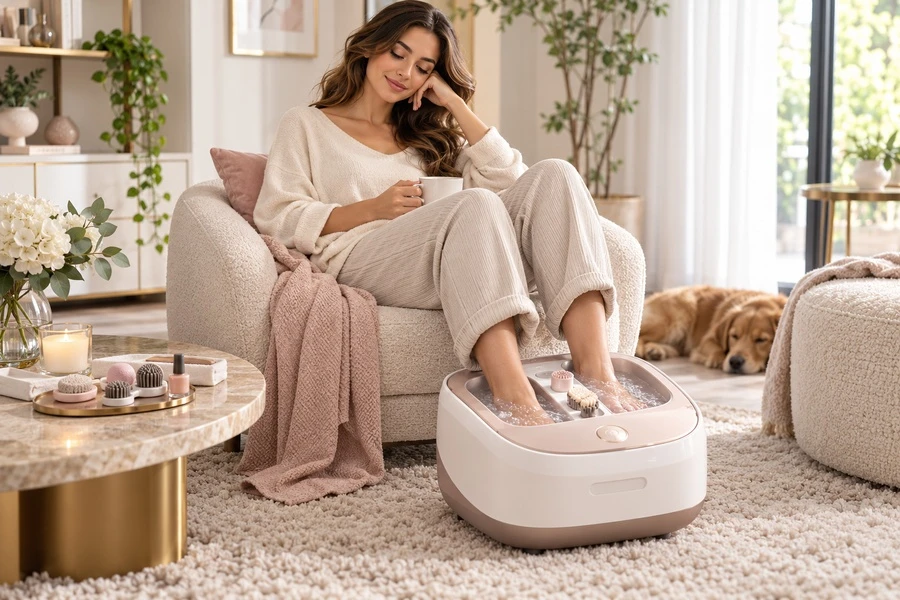
Professional pedicures deliver two distinct benefits, namely the relaxation of the treatment itself and the practical maintenance of skin and nails. A foot massager with pedicure function brings both into the home by combining massage mechanisms with surfaces designed for callus care. Regular attention at home also extends the interval between salon visits without letting maintenance slide. Understanding how the two functions work together helps you build a routine that actually holds.
What a Foot Massager with Pedicure Function Combines
Massage systems use rollers, airbags, or both to work tired muscles and encourage relaxation after a long day. Pedicure elements add textured surfaces or rotating heads that gradually reduce hardened skin on the heel and ball of the foot. Combining them in one unit means the skin softens during the warm massage phase before any smoothing takes place. Sequence improves results considerably compared with treating dry skin directly. Working on softened skin also requires less pressure, which reduces the risk of removing more than intended.
Warmth contributes to both functions simultaneously by relaxing muscle tissue and softening the outer skin layer. Devices supporting proper pedicure and callus care integrate that heating stage into the session rather than treating it as optional.
Callus Care Done Gradually and Safely
Hardened skin develops as a protective response to pressure and friction, which means removing it entirely encourages the body to rebuild it faster. Gradual reduction across several sessions produces better long term results than aggressive removal in one attempt. Aiming to soften and thin rather than eliminate keeps the skin comfortable and functional. Patience genuinely outperforms enthusiasm in foot care. Skin left slightly thickened at pressure points stays healthier than skin repeatedly stripped back to complete softness.
Moisturizing immediately after any smoothing treatment locks in the softness and slows the return of hard skin. Anyone with diabetes, neuropathy, or circulatory conditions should consult a doctor before using abrasive attachments, since reduced sensation makes injury more likely. Careful use keeps a home wellness appliance genuinely beneficial.
Choosing a Foot Massager with Pedicure Function That Suits You
Attachment quality varies enormously in this category, and coarse abrasive surfaces cause more problems than they solve. Look for graduated options that allow you to start gently and increase only if necessary. Replaceable heads matter because abrasive surfaces wear smooth and lose effectiveness after months of use. Availability of spare parts affects the practical lifespan considerably. Checking the manufacturer website for replacement heads before purchase prevents an unusable device two years later.
Hygiene features deserve equal weight, since foot devices shared between household members require thorough cleaning. Units with a removable washable liner make that straightforward rather than awkward. Readers focused on compression mechanisms can review our overview of airbag based massage systems.
Building a Weekly Foot Care Routine
Frequency should reflect how quickly your skin rebuilds, which varies with activity level, footwear, and climate. Most people find that callus attention once weekly maintains comfortable skin without over treating the area. Massage sessions can happen far more often, since they carry none of the same limitations. Separating the two functions across the week suits most households well.
Evening timing suits both purposes because the skin has softened through the day and relaxation supports better sleep. Keeping a moisturizer beside the device turns aftercare into an automatic step. Routines survive when every element sits within reach. Keeping a small towel beside the device completes the setup and prevents interruptions during a session.
Heel Pain and What a Foot Massager with Pedicure Function Can Help With
Morning heel pain affects a substantial number of adults and often relates to tightness in the tissue running along the sole. Gentle massage and warmth can ease that tightness temporarily, which many people find helpful alongside stretching and appropriate footwear. Devices marketed for plantar fascia relief support comfort rather than providing treatment for a diagnosed condition. Persistent pain deserves proper assessment from a physiotherapist or doctor.
Realistic framing protects you from both disappointment and delayed care. Comfort measures work well as part of a broader approach that includes stretching, footwear changes, and professional advice where needed. Using the device as one element rather than the whole solution produces the best outcome.
Getting Lasting Value From a Foot Massager with Pedicure Function
Maintenance determines lifespan for any device combining motors, heating elements, and removable parts. Cleaning the interior after sessions involving skin removal prevents residue from accumulating in the mechanism. Storing the unit dry protects the electrical components from the humidity that gathers in bathrooms. Simple care extends service life by years.
Regular use produces the real return, since a device operated twice weekly delivers more than a hundred sessions annually. Readers interested in warmth as the primary benefit can continue with our notes on heat and evening recovery. Equipment that fits your routine keeps earning its place.