Home Haircuts Get Easier With a 5 in 1 Electric Dog Clipper Set
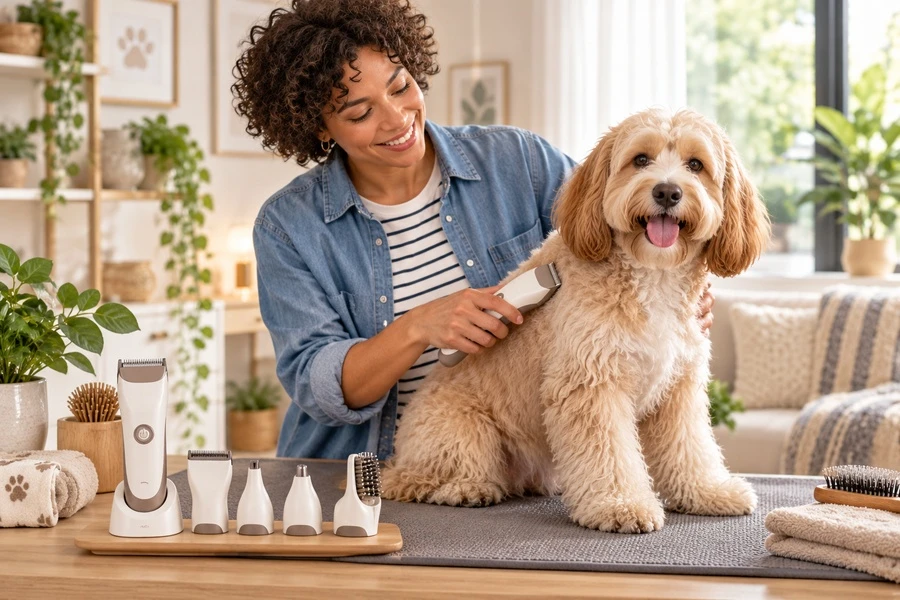
Most owners attempt home grooming once, produce an uneven result, and return to professional appointments convinced they lack the skill. A 5 in 1 electric dog clipper set usually reveals that the earlier failure came from inadequate tools rather than inadequate technique. Different coat areas require different attachments, and a single fixed blade cannot handle a body, a face, and paws equally well. Knowing which head to use where solves most of the problem immediately.
What a 5 in 1 Electric Dog Clipper Set Includes
Multi tool systems typically combine a main clipper head, a fine trimmer for detail work, a nail grinder, a deshedding tool, and a brush attachment. Each addresses a distinct grooming task that a single device performs poorly. Sharing one motor unit keeps the cost and storage requirement reasonable compared with buying separate tools. Interchangeable heads make transitions during a session straightforward. Storing every head in one case also prevents the missing attachment problem that delays so many home grooming sessions.
Build quality varies enormously across this category, and the motor determines whether the system handles thick coats or stalls halfway through. A well built home grooming set maintains blade speed under load rather than slowing when the coat becomes dense.
Matching Attachments in a 5 in 1 Electric Dog Clipper Set to Coat Areas
Body coat responds well to a standard clipper head with a guard sized for the desired length, which produces an even finish across large areas. Faces, paws, and sanitary areas need the narrow trimmer, because precision matters more than coverage in those regions. Attempting detail work with a wide head causes most of the accidental nicks that worry beginners. Using the correct tool eliminates that risk almost entirely.
Guard selection determines the finished length and therefore the overall appearance. Starting with a longer guard and reducing gradually prevents the irreversible mistake of cutting too short. Systems with clearly marked adjustable clipper guards make that progression simple to follow.
Learning to Use a 5 in 1 Electric Dog Clipper Set Properly
Technique matters more than equipment once the tools are adequate, and the fundamentals take an afternoon to learn. Working in the direction of hair growth produces a natural finish, while cutting against the grain removes considerably more length. Keeping the blade flat against the skin rather than angled prevents the tram lines that give away amateur work. Consistent contact produces consistent length. Working in good light helps considerably, since uneven areas become visible long before they turn into obvious steps.
Tension in the skin affects results as well, since loose areas around the legs and belly need gentle stretching with your free hand. Short overlapping passes blend better than long single strokes. Owners aiming for professional grooming results improve noticeably after two or three sessions of practice.
Nail Care Without the Struggle
Nail trimming causes more anxiety than any other grooming task, largely because clippers can cut into the quick and cause pain. Rotary grinders remove material gradually, which makes over cutting far less likely and gives clearer feedback as you work. Many dogs tolerate the grinding sensation better than the sudden pressure of a clipper. Slow reduction beats a single decisive cut for nervous animals.
Frequency matters more than technique here, since regular light grinding keeps the quick receding and nails at a manageable length. A nail grinder attachment used weekly for two minutes prevents the long overgrown nails that require veterinary attention. Readers wanting to control loose hair during sessions can review our overview of suction assisted grooming at home.
Power, Battery Life, and Practical Use
Cordless operation transforms the grooming experience because managing a cable around a moving animal creates genuine difficulty. Battery capacity should cover a full session for your breed, which means at least sixty minutes for larger dogs. Charging time matters equally, since a device requiring several hours interrupts any plan to finish the same day. Practical runtime beats headline specifications.
Weight and balance influence fatigue during longer sessions, particularly when working on a large dog. Well designed cordless grooming clippers sit comfortably in the hand without requiring a tight grip. Comfort in your hand translates into steadier results.
Building Confidence With a 5 in 1 Electric Dog Clipper Set
First attempts should target easy areas and forgiving lengths rather than an ambitious full groom. Trimming the body with a longer guard produces a tidy result even when technique remains imperfect. Leaving faces and paws for later sessions removes the pressure that causes mistakes. Confidence builds through completed sessions rather than perfect ones.
Recording what worked helps considerably, including guard sizes and the order of operations that suited your animal. Owners who use a rechargeable pet trimmer regularly develop a repeatable routine within a few months. Readers with sound sensitive animals can continue with our notes on reducing noise stress during grooming.