The Minimalist Lounge Chair for Modern Interiors Deserves Better Placement
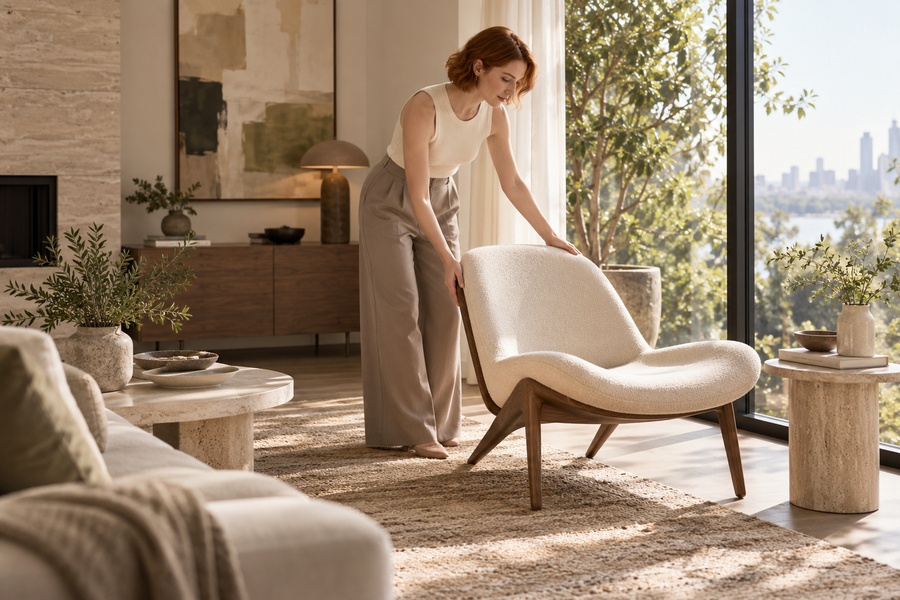
Beautiful chairs end up in bad positions more often than any other category of furniture, usually pushed against a wall where nobody ever sits. A minimalist lounge chair for modern interiors performs entirely differently depending on where it lands, and the difference shows in daily use rather than photographs. Placement determines whether a chair becomes a favorite seat or an expensive object that collects folded laundry. Treating position as a design decision rather than an afterthought changes the whole result.
How a Minimalist Lounge Chair for Modern Interiors Shapes a Room
Rooms organize themselves around the objects people use, so a well placed chair creates a destination within a larger space. Angling the seat toward a window, a fireplace, or a conversation group signals purpose and invites occupation. Furniture aligned flat against walls, by contrast, produces a perimeter arrangement that feels like a waiting room. One rotated chair often improves a layout more than rearranging everything else.
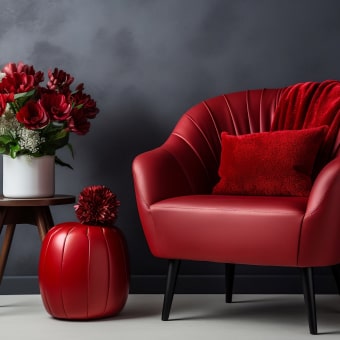
Sculptural forms benefit particularly from being viewed in the round rather than flattened against plaster. Pulling the piece forward by even thirty centimeters reveals its profile and creates a shadow line behind it. That small move turns modern comfort seating into a genuine focal point.
Negative Space and Why Minimal Rooms Need It
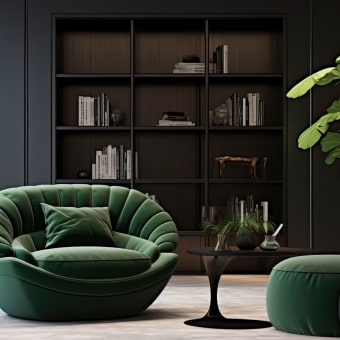
Minimalism depends on the emptiness between objects, which means the gaps carry as much design weight as the furniture itself. Crowding a lounge chair with side tables, lamps, and plants destroys the effect that made the piece appealing. Leaving clear floor on at least two sides preserves the outline and lets the shape register properly. Restraint requires discipline, though it costs nothing. Removing one object from a crowded corner usually improves a room more than adding a better version of the same thing.
Scale relationships matter within that emptiness. A single low table beside a sculptural furniture piece reads as intentional, while three objects of similar height create visual confusion. Choosing fewer, better companions supports the chair rather than competing with it.
Choosing a Minimalist Lounge Chair for Modern Interiors That Fits Real Bodies
Visual minimalism sometimes conflicts with physical comfort, and the resolution lies in the underlying geometry rather than added padding. A backrest angled around one hundred and five degrees supports relaxed sitting without forcing the occupant upright. Seat depth should allow the lower back to meet the backrest while the knees clear the front edge comfortably. These proportions deliver comfort without bulk.
Support quality determines whether long sessions remain pleasant, which is where construction beats appearance decisively. Chairs offering genuine ergonomic lounge support hold posture naturally rather than requiring constant adjustment. Buyers comparing build quality across similar designs will find the frame discussion in our piece on single seat lounge construction useful.
Lighting a Seating Position Correctly
Overhead lighting flattens both furniture and faces, which explains why so many rooms feel unwelcoming after sunset despite adequate brightness. A floor lamp positioned behind one shoulder creates directional light suitable for reading while sculpting the chair visually. Wall washing from a nearby fixture adds depth without glare and makes the whole corner feel considered. Light quality influences comfort as strongly as cushioning. Testing a lamp position across a few evenings costs nothing and reveals the arrangement that suits your actual habits.
Dimming capability extends the usefulness of any seating position across different times of day. Bright light supports afternoon reading, while lower levels suit evening conversation and rest. Rooms that adjust through the day get used through the day.
Pairing a Minimalist Lounge Chair for Modern Interiors With Existing Pieces
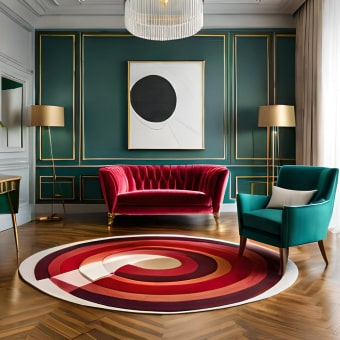
Matching furniture sets went out of fashion for good reason, since identical pieces flatten a room into something resembling a showroom display. Contrast in material, color, or era gives a room the layered quality that professional interiors always demonstrate. A single chair provides the easiest way to introduce that contrast without committing to a full redesign. One deliberate difference reads as confidence.
Keep a common thread running through the contrast, whether that means a shared undertone, a repeated material, or a consistent visual weight. A curved lounge furniture profile beside straight edged seating creates dialogue rather than conflict. Coherence comes from relationships rather than repetition.
Getting Long Term Value From a Minimalist Lounge Chair for Modern Interiors
Furniture that moves between rooms stays in service far longer than furniture tied to a single arrangement. A minimalist lounge chair for modern interiors works in a lounge, a bedroom, a home office, or a hallway with equal credibility because the form carries no functional signal. That flexibility protects the purchase through moves, renovations, and changing household needs. Adaptable design remains the most reliable form of longevity.
Maintenance requirements stay modest with quality upholstery and a solid frame, which keeps the piece presentable across many years. Readers thinking about smaller lounges specifically can continue with our notes on compact accent seating arrangements. Furniture chosen for adaptability rarely needs replacing.